Torn between Garden City and nearby Nassau towns? You are not alone. Each community offers a different mix of housing, commute options, amenities, and taxes, which can make the choice feel overwhelming. This guide breaks it all down so you can match your priorities to the right place with confidence. Let’s dive in.
How to frame your choice
Start by ranking what matters most. Be honest about your must-haves versus nice-to-haves.
- Commute time and train access
- School district alignment for a specific address
- Lot size, architecture, and walkability
- Budget including property taxes and monthly fees
- Access to parks, libraries, and local services
Use this list as your scorecard while you compare Garden City with nearby options.
Garden City at a glance
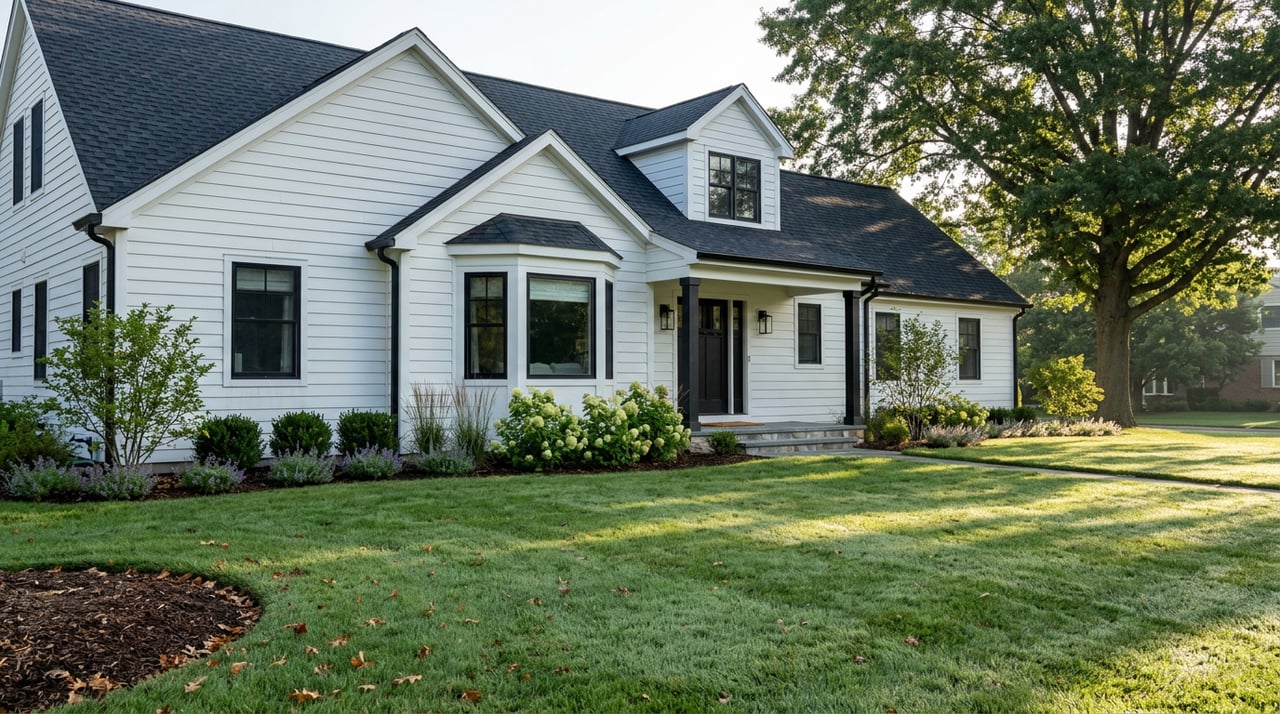
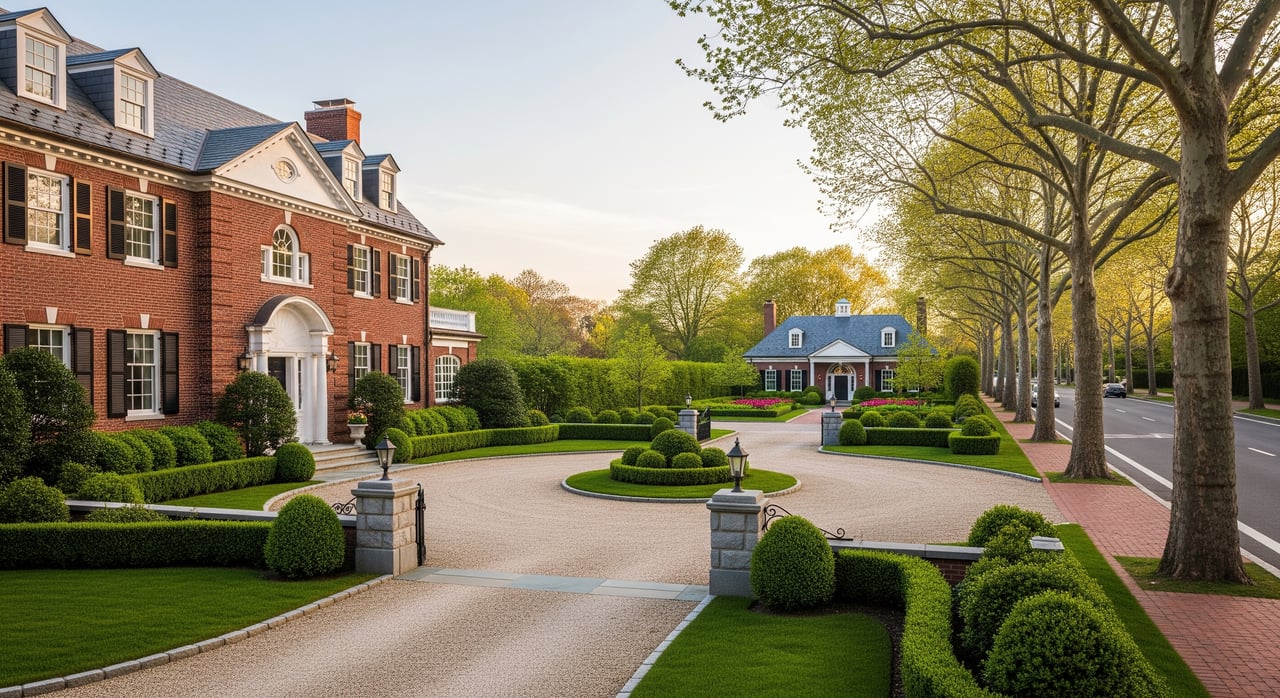
Garden City is a planned village known for tree-lined streets, larger lots, and architectural variety. You will find many single-family homes, including Colonials and Tudors, along with some condos and co-ops near downtown corridors.
Commuters use the LIRR Hempstead Branch with service to Jamaica and Manhattan. Driving access to central Nassau parkways is straightforward, and walkability is stronger near the Franklin Avenue downtown.
Amenities include a compact downtown with restaurants and services, local parks, and community programs. Adelphi University adds cultural touchpoints, and the village is near regional attractions.
The public school district is generally regarded as high-performing. Village services, including local police and public works, are a point of pride. Buyers often pay a price and tax premium for the schools, lot sizes, and cohesive village character. Some condos and co-ops can help lower the entry cost but may include monthly maintenance fees.
Compare nearby Nassau towns
Mineola
- Housing: Mix of single-family homes, older colonials, and multifamily options in a denser setting.
- Commute: Main Line hub with more frequent service and transfer options, which can mean faster or more flexible trips.
- Amenities: Active downtown near county offices and courthouses.
- Cost and taxes: Often slightly lower or comparable to Garden City depending on the property.
- Best fit: You want robust rail service and a lively, denser village center.
Westbury
- Housing: Variety of ranches, split-levels, mid-century homes, and some newer subdivisions.
- Commute: Main Line station with good service and some express options.
- Amenities: Mix of suburban shopping corridors with regional retail nearby.
- Cost and taxes: Frequently more affordable than Garden City for similar space.
- Best fit: You want more house for the money with strong train access.
Hempstead
- Housing: Diverse stock that includes single-family and multifamily homes, plus more rental apartments.
- Commute: Hempstead Branch service with regional connectivity.
- Amenities: Larger civic and commercial center with higher activity and traffic.
- Cost and taxes: Entry prices can be lower, with variability by block and school district.
- Best fit: You value central services and broader housing choices.
East Meadow
- Housing: Post-war ranches and split-levels on generally smaller lots than Garden City.
- Commute: No LIRR station in town, so many residents drive to nearby stations or rely on parkway access.
- Amenities: Suburban shopping centers and parks.
- Cost and taxes: Commonly more affordable for single-family homes than Garden City.
- Best fit: You prioritize budget and suburban living over direct rail access.
Carle Place
- Housing: Mostly single-family homes with some newer infill.
- Commute: Main Line station with limited but useful service.
- Amenities: Quieter village feel with close-by shopping areas.
- Cost and taxes: Often lower than Garden City.
- Best fit: You want a small-village experience with reasonable train access.
West Hempstead
- Housing: Mix of modest single-family homes and some multifamily.
- Commute: LIRR West Hempstead Branch station in town.
- Amenities: Neighborhood retail with larger centers a short drive away.
- Cost and taxes: Often more affordable than Garden City.
- Best fit: You want central Nassau access at a lower price point.
Franklin Square
- Housing: Predominantly single-family homes on smaller lots.
- Commute: No direct LIRR station; residents often drive or use buses to connect.
- Amenities: Local shops and services with quick access to larger retail areas by car.
- Cost and taxes: Typically more affordable than Garden City.
- Best fit: You value price and location more than walkable rail access.
Commute trade-offs
Your door-to-door commute is more than minutes on a timetable. Consider parking permit rules at stations, the walk from your home, transfer times, and reliability during peak hours. Main Line stations like Mineola and Westbury often offer more frequent or faster service than Hempstead Branch stations.
If you do not need daily rail access, towns without stations can still work well. East Meadow and Franklin Square provide strong road access for drivers, though you will plan for parking at nearby stations if you take the train.
Schools and district lines
On Long Island, village names and school districts do not always align. A Garden City mailing address does not guarantee Garden City schools. Before you fall in love with a home, confirm the school district for that exact address and review the district information directly from state resources.
If a specific district is your top priority, make that your first filter. Then layer in commute, budget, and housing style.
Costs, taxes, and ongoing upkeep
Compare total carrying costs across towns, not just list price. Add property taxes, village or municipal taxes, potential HOA or maintenance fees, and utilities.
Older character homes can have higher maintenance needs. Roofs, windows, and systems may require updates on a longer timeline, so include a reserve for repairs and improvements.
Garden City often carries a higher purchase price and tax burden than nearby towns. Some buyers offset that with condos or co-ops, though monthly fees apply.
Zoning and development notes
Village zoning and any pending redevelopment can influence future value and neighborhood character. Rules around two-family allowances, accessory units, setbacks, and lot coverage vary by village.
If you have plans to expand or add space, check local codes early. A quick review of village board agendas can also reveal projects that might change traffic or retail mix over time.
Step-by-step comparison plan
- Rank your top five priorities and set clear budget parameters.
- Confirm the school district and estimated taxes for any address on your shortlist.
- Test the commute during peak hours, including parking and transfers.
- Walk the downtown and residential blocks on weekdays and weekends.
- Review recent sold comparables and inventory levels with your agent.
- Ask about village rules that affect renovations or additions.
- Map out total monthly and annual carrying costs before you offer.
Which buyer fits each area
- Choose Garden City if you value larger lots, a cohesive village feel, and a downtown you can walk to, and you are comfortable paying a premium for it.
- Choose Mineola or Westbury if rail speed and frequency rank first and you want more flexibility for Manhattan commutes.
- Choose East Meadow or Franklin Square if your priority is price and you can drive to a station as needed.
- Choose Carle Place if you want a small-village experience with Main Line access at a lower price point.
- Choose West Hempstead if you want central Nassau convenience with an in-town LIRR station at a modest price.
Ready to compare homes side by side?
You deserve a clear plan, local insight, and a steady advocate from first tour to closing. The Legacy Team pairs hands-on guidance with deep Nassau market knowledge so you can choose with confidence. If you are weighing Garden City against nearby towns, let us help you test commutes, confirm districts, and run true cost comparisons.
Schedule a free consultation with Yadlynd Cherubin to get a tailored short list that fits your goals.
FAQs
Is Garden City worth the price premium for families focused on schools?
- Garden City often makes sense if you value larger lots, a cohesive village setting, and a public school district that is generally regarded as high-performing.
Which Nassau towns offer the fastest train commutes to Manhattan?
- Main Line hubs like Mineola and Westbury usually provide more frequent or faster service than Hempstead Branch stations, which can shorten trips.
How do I verify the school district for a Nassau County address?
- Do not rely on a mailing address; confirm the assigned district for the exact parcel using official records before you offer.
Can I find a similar home at a lower price near Garden City?
- Yes, East Meadow, West Hempstead, Franklin Square, and parts of Westbury and Hempstead often offer lower entry prices with trade-offs in lot size, rail access, or village amenities.
What costs should I budget for older homes in Garden City and nearby towns?
- Plan for higher property taxes, potential village fees, and maintenance for items like roofs, windows, and mechanical systems over time.
How can I test a potential commute before I buy in Nassau County?
- Time your door-to-door trip during peak hours, include parking or transfers, and run both your best-case and typical-day scenarios to set realistic expectations.