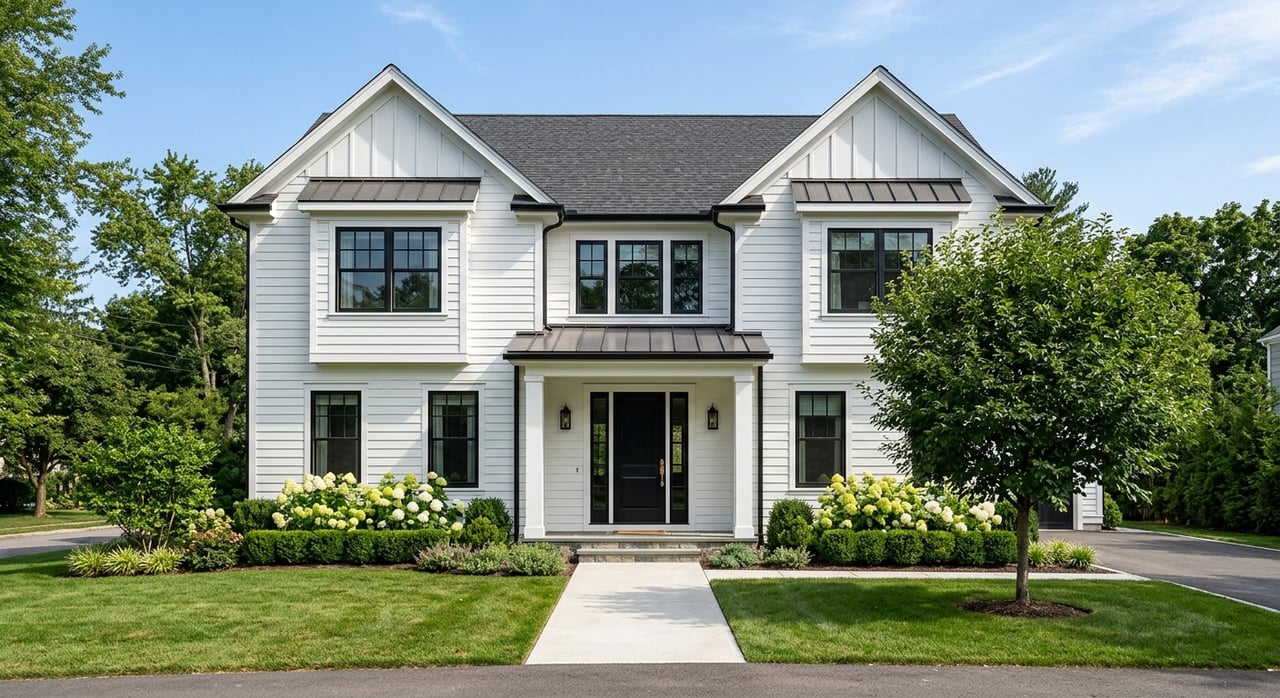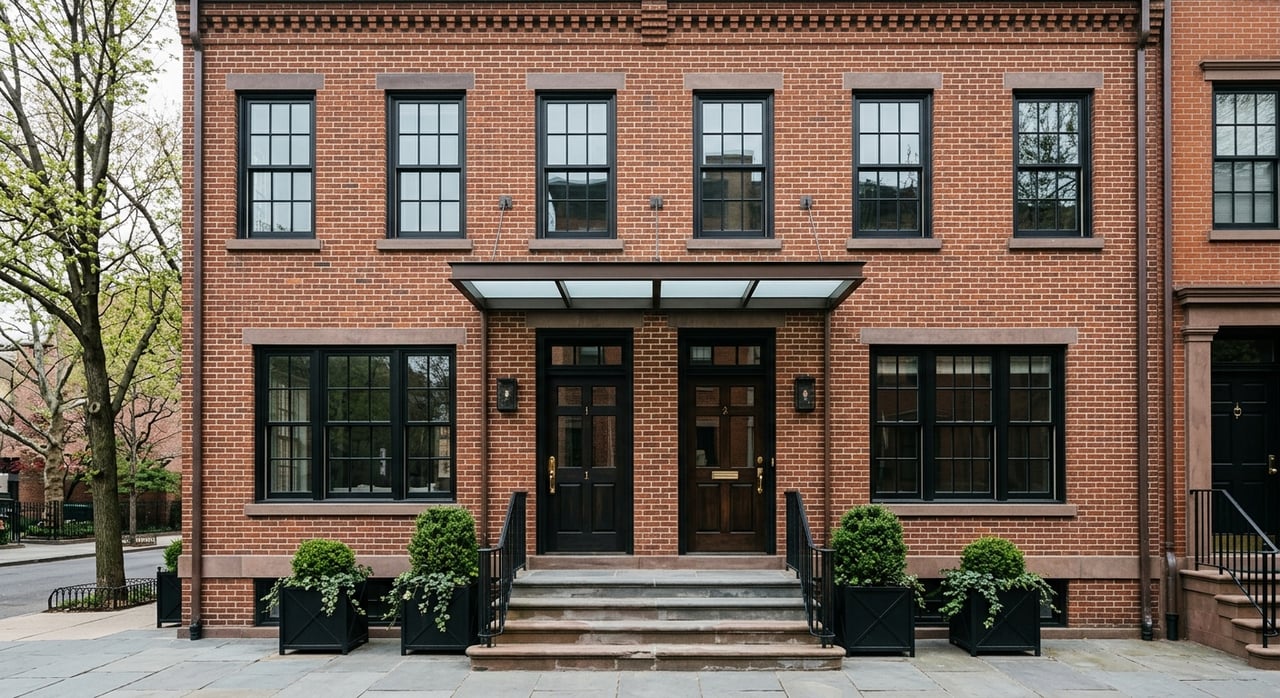
Buying or selling in Queens can feel simple at first, until you realize Queens is not one market at all. A co-op in one area, a two-family home in another, and a new development condo somewhere else can each come with very different rules, timelines, and costs. If you want a smoother move and fewer surprises, choosing the right agent matters more than ever. Let’s dive in.
Why Queens requires local expertise
Queens covers a wide mix of property types, price points, and neighborhood dynamics. According to NYC Finance annualized sales data for 2025, median sale prices in Queens were $830,000 for one-family houses, $995,000 for two-family houses, and $1.325 million for three-family houses. That same report shows 7,823 sales of one-, two-, and three-family homes, which makes one thing clear: broad citywide advice is not enough.
A strong Queens agent should be able to talk about local comparables, not just general trends. They should also understand how building type, block-by-block pricing, and commute patterns can affect your decision. If you already know the area you want, NYC HPD notes that it is usually best to find a broker based there.
Queens also continues to evolve. NYC Planning reports that more than 83,000 housing units are in the city’s pipeline, with the largest share expected in Brooklyn and Queens. That means your agent should understand not only resale homes, but also new development, condo conversions, and changing submarkets.
Start with license and brokerage checks
Before you discuss strategy, confirm the basics. In New York, a real estate salesperson must be sponsored by a New York State licensed broker. Consumers can verify both the individual license and the brokerage relationship through the public eAccessNY license search.
This step may seem simple, but it tells you a lot. It helps confirm that the person you are speaking with is properly licensed and operating through an active brokerage. It also gives you a useful starting point for evaluating professionalism and accountability.
Ask for their operating procedures
New York State requires brokers to publish standardized operating procedures. These procedures outline whether a client must show identification, sign an exclusive agreement, or provide mortgage pre-approval before receiving certain services.
Asking to review these procedures gives you a clearer picture of how the agent works. You can learn how they handle intake, communication, and client qualifications right from the start. In a fast-moving borough like Queens, organized process matters.
Look for Queens-specific transaction experience
Not every agent who works in New York is equally prepared for Queens deals. The right fit is usually someone who can explain the differences between co-ops, condos, multifamily homes, and newer inventory in plain language.
During your consultation, ask direct questions like:
- Which Queens neighborhoods do you work in most often?
- Which property types do you close most often in Queens?
- How many co-op, condo, and multifamily transactions have you handled?
- How do you help clients review building or property documents?
- How do you estimate closing costs, transfer taxes, and filing deadlines?
- How often will you update me, and by what method?
These questions matter because Queens transactions often involve more than showings and offers. You may be dealing with building governance, offering plans, taxes, or occupancy issues. A strong agent helps you understand those moving parts early.
Match the agent to the property type
One of the biggest mistakes you can make is hiring an agent with general experience but not the right type of experience. In Queens, that can create delays, confusion, or missed risks.
Co-ops need specialized guidance
Co-ops are different from condos. According to the New York Attorney General, a co-op buyer purchases shares in a corporation tied to a specific apartment, and maintenance charges are based on allocated shares.
Co-op and condo sales are also governed by an offering plan. The Attorney General advises buyers to read the entire offering plan and consult an attorney before signing a purchase agreement. If you are considering a co-op, your agent should know how to help you identify the key documents and when to bring in legal review.
Condos require document awareness
For condos, glossy marketing materials are not enough. The Attorney General notes that for new construction or conversions, the offering plan, not brochures or verbal claims, controls many promises about amenities and finishes.
That means your agent should help you stay grounded in the actual documents. They should also understand how to spot issues worth further review, especially in newer or recently converted buildings.
HDFC co-ops have added rules
HDFC co-ops are not standard market-rate co-ops. NYC HPD states that HDFCs can include income limits, resale restrictions, and subletting rules, and profit on sale may be limited to preserve affordability.
If you are buying one, you need an agent who recognizes that these homes come with an extra layer of review. Governing documents matter, and assumptions from a typical co-op purchase may not apply.
Two- and three-family homes need occupancy review
Multifamily properties can be attractive for both end users and investors, but they require careful review. The NYC Department of Buildings says a Certificate of Occupancy shows the legal use and permitted occupancy of a building, and no one may legally occupy a building until a CO or TCO is issued.
For a Queens two- or three-family purchase, your agent should know to check whether current use matches the certificate. This is especially important when you are evaluating income potential, layout, or renovation history.
Evaluate how they handle building documents
A helpful Queens agent does more than unlock doors. They should know how to guide you through building-level due diligence and flag when deeper review is needed.
The New York Attorney General explains that board meeting minutes, financial reports, and posted violations can reveal building defects and possible repair costs. For co-op and condo resales, this is valuable information that can affect both your budget and your comfort level.
Your agent does not replace your attorney or engineer, but they should know what documents to request and when to encourage further review. That kind of guidance can save you time and stress.
Ask about marketing accuracy and compliance
If you are selling, digital marketing is important, but accuracy is just as important. The New York Department of State has warned that AI-generated listing images can create accuracy and false advertising concerns.
The state also requires advertising to include correct license names, brokerage identification, fair housing disclosure, and clear disclosure when another broker’s listing is referenced. Ask your agent how they handle photography, virtual staging, descriptions, and online compliance. A polished listing should still reflect the property honestly.
Understand their off-market strategy
Some sellers ask about off-market promotion or pocket listings. These are allowed in New York, but the Department of State says they must be disclosed carefully because they may attract less interest, lead to a lower sale price, and take longer to sell.
That does not mean an off-market strategy is always wrong. It means your agent should explain the tradeoffs clearly, not just present it as exclusive or effortless. You deserve a recommendation based on your goals, not just a trend.
Make sure they can explain Queens costs
A good Queens agent should be able to walk you through common local cost items in a clear way. This includes transfer-related costs and tax rules that may apply to your transaction.
NYC Finance states that the Real Property Transfer Tax applies to real property sales and to cooperative housing stock shares, with filings created through ACRIS, and the tax generally due within 30 days after transfer. New York State also imposes a 1% mansion tax on residential conveyances of $1 million or more.
For co-ops and condos, your agent should also be able to explain the co-op and condo tax abatement at a basic level. NYC311 says the board or managing agent, not the individual owner, applies for the abatement, the unit must be a primary residence, and the benefit ranges from 17.5% to 28.1% based on average assessed value.
Communication matters more than people think
In Queens, even straightforward deals can involve multiple documents, deadlines, and parties. That is why communication style is not a soft extra. It is part of the service.
The best agent for your move should explain steps in plain English, keep you updated consistently, and help you prepare for what comes next. For first-time buyers, relocating clients, and busy sellers, a concierge-style, mentor approach can make the process feel far more manageable.
What the right agent should feel like
The right Queens agent should make you feel informed, not rushed. They should answer questions directly, explain local complexity without making it overwhelming, and help you move with confidence.
That is especially important in a borough where one transaction may involve board packages, tax filings, offering plans, occupancy review, or neighborhood-level pricing shifts. You want someone who can coordinate details, communicate clearly, and advocate for your goals from start to finish.
If you are planning your next move in Queens and want hands-on guidance tailored to your goals, schedule a free consultation with Yadlynd Cherubin.
FAQs
How do I verify a Queens real estate agent’s license?
- You can use New York’s public eAccessNY license search to confirm the agent’s license status and brokerage relationship.
What should I ask a Queens agent before hiring them?
- Ask which Queens neighborhoods and property types they handle most often, how they review building or property documents, how they estimate costs, and how they communicate during a deal.
Why does property type matter when choosing a Queens agent?
- Queens transactions vary widely, and co-ops, condos, HDFC co-ops, and two- or three-family homes can each involve different rules, documents, and risks.
What should a Queens agent know about co-op or condo documents?
- A knowledgeable agent should know how to help you request and review items like offering plans, board minutes, financial reports, and posted violations, while flagging when attorney or engineering review is needed.
Should I use an agent for an off-market sale in Queens?
- If you are considering an off-market strategy, your agent should explain that it may reduce exposure, affect sale price, and take longer, so you can weigh the tradeoffs carefully.
What local costs should a Queens buyer or seller ask about?
- Ask about transfer-related taxes, filing timelines, mansion tax rules for qualifying sales, and whether a co-op or condo tax abatement may apply in your situation.