If you’re thinking about trading NYC square footage for something roomier, Suffolk County is probably already on your radar. The big question is whether the extra space, different commute, and lifestyle shift will actually fit your day-to-day life. This guide will help you compare Suffolk with Nassau and the city so you can make a move that feels smart, practical, and exciting. Let’s dive in.
Why Suffolk Feels So Different
One of the biggest changes you’ll notice moving from NYC to Suffolk County is simply how much more room there is. Suffolk has 911.17 square miles of land and about 1,674.7 people per square mile, compared with New York City’s 300.45 square miles and 29,303.2 people per square mile.
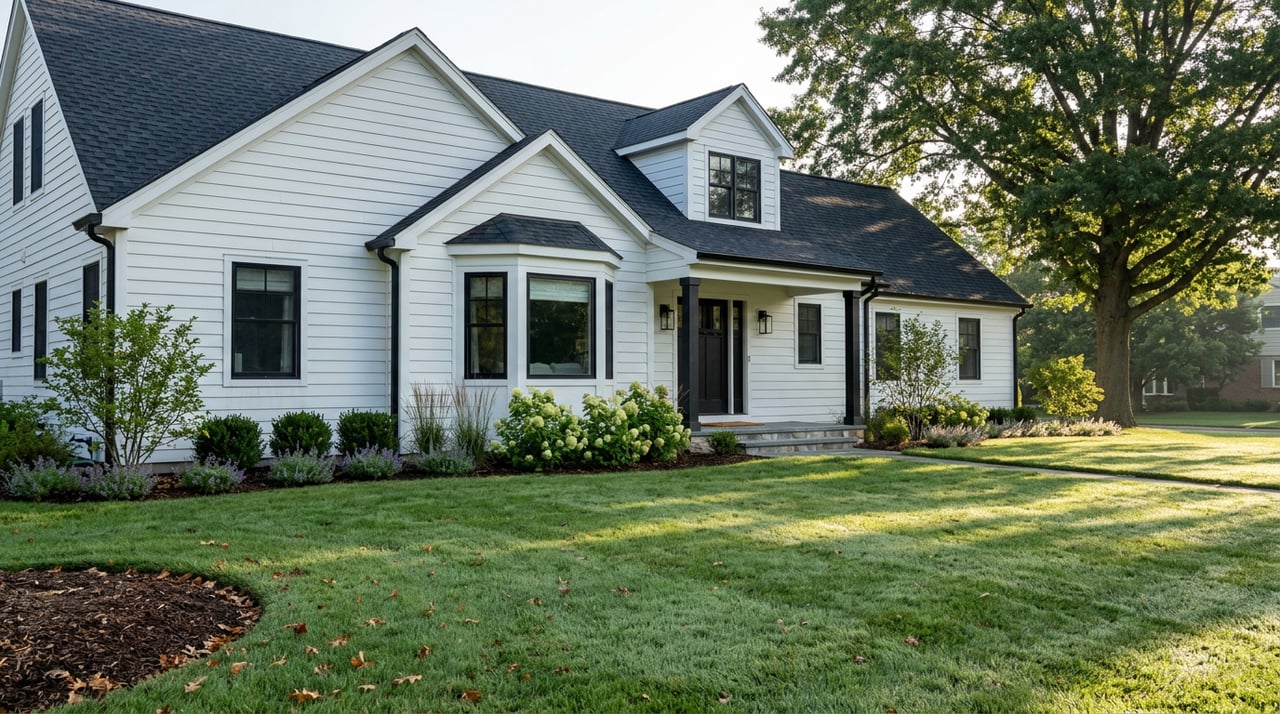
That difference shows up in everyday life. Streets often feel less crowded, homes tend to sit on larger lots, and your routine may include a driveway, backyard, or extra bedrooms instead of shared walls and tight layouts.
Suffolk also has a much more suburban housing profile. The owner-occupied housing rate is 82.2% in Suffolk, compared with 32.8% in NYC, which helps explain why many buyers look here when they want a more traditional homeownership experience.
Suffolk vs Nassau vs NYC
If you’re deciding between Suffolk, Nassau, and staying in the city, it helps to think in terms of tradeoffs. Each option can work well, but they support different priorities.
Suffolk is usually the better fit if your top goal is more physical space and easier access to outdoor living. Nassau often lands in the middle, offering a denser suburban feel that is still closer in. NYC still makes the most sense for many people who want a more apartment-oriented lifestyle and easier car-light living.
Here’s a simple side-by-side snapshot:
| Area | Land Area | Population Density | Owner-Occupied Rate | Median Owner-Occupied Home Value |
|---|---|---|---|---|
| Suffolk County | 911.17 sq mi | 1,674.7/sq mi | 82.2% | $578,400 |
| Nassau County | 284.54 sq mi | 4,905.3/sq mi | 81.9% | $684,700 |
| New York City | 300.45 sq mi | 29,303.2/sq mi | 32.8% | $777,600 |
For many NYC buyers, that table tells the story quickly. Suffolk generally offers a lower median owner-occupied home value than Nassau and NYC, while also giving you a much lower-density setting.
What “More Space” Can Mean for You
Space is not just about square footage on paper. It often changes how you live.
You may be looking for a home office that is not also your dining room. You may want storage that does not depend on a hallway closet, or outdoor space where you can relax, garden, or host people without planning around building rules.
Suffolk’s suburban feel is also reflected in household size. Households average 2.93 people in Suffolk, compared with 2.48 in NYC, which lines up with the county’s more residential, lower-density character.
If that sounds appealing, the next step is narrowing down what kind of Suffolk experience you want. Not every town feels the same, and your commute and lifestyle priorities should shape your search.
Commute Reality Starts With the LIRR
For many buyers moving from NYC, the commute is the make-or-break issue. In Suffolk County, the most important thing to understand is that the county name matters less than the Long Island Rail Road branch and station you’ll actually use.
The LIRR is a major commuter network, with about 250,000 weekday riders on 947 daily trains across more than 700 miles of track, 11 branches, and 126 stations. It serves Penn Station, Grand Central Madison, Atlantic Terminal, Long Island City, and Hunterspoint Avenue.
That direct service to Grand Central Madison is especially important if your work or routine is tied to Manhattan’s east side. It can make certain Suffolk locations more practical than you might expect at first glance.
Western Suffolk Often Works Best
If you want a more manageable rail commute, western Suffolk is often where buyers begin their search. That is because Suffolk stations on branches like Babylon, Port Jefferson, Montauk, and Ronkonkoma vary quite a bit in service pattern and convenience.
The MTA branch map shows that several eastern Ronkonkoma Branch stops, including Greenport, Southold, Mattituck, Riverhead, Yaphank, and Medford, are marked as limited service. The practical takeaway is simple: the farther east you go, the more likely you are to face a commute compromise or need a different work pattern.
That does not mean eastern Suffolk is off the table. It just means you should compare actual station options, schedules, and your weekly routine before assuming all of Suffolk works the same way.
Local Bus Service Has a Different Role
Suffolk County Transit helps with local mobility, but it is not a substitute for rail if Manhattan access is your main priority. The system operates 25 fixed routes and 2 on-demand zones seven days a week, 365 days a year.
Most routes run every 30 minutes on weekdays until 6 p.m., then hourly after 6 p.m. and on weekends. That can be useful for local errands or connections, but most NYC-bound commuters will still focus on rail access first.
Commute Averages Need Context
Countywide mean travel time to work is listed at 31.1 minutes in Suffolk, 36.0 minutes in Nassau, and 40.3 minutes in NYC. Those numbers are broad averages, not Manhattan-only commute figures, so they should be treated as general context rather than a door-to-door promise.
If you are relocating from the city, it helps to think less about county averages and more about your specific pattern. Are you commuting five days a week, hybrid, or mostly remote? That answer can change which part of Suffolk makes sense for you.
Lifestyle in Suffolk Goes Beyond “More Suburban”
Many NYC buyers move for space, then stay for lifestyle. Suffolk offers a version of Long Island living where beaches, parks, preserves, and waterfront access are not just occasional perks. They are part of many people’s regular routine.
Suffolk County Parks highlights hiking, beaches, picnic areas, camping sites, fishing, boat launches, trails, preserves, and golf courses across the county. That means your weekends do not have to revolve around leaving your neighborhood just to find open space.
If you want a quieter home base without giving up activity and variety, that balance can be a major draw. You are not choosing between convenience and nature quite as sharply as you might expect.
Fire Island Shapes the County’s Identity
Fire Island is one of the clearest examples of Suffolk’s coastal identity. Fire Island National Seashore includes 26 miles of barrier island shoreline with beaches, dunes, maritime forest, and wetlands, along with 17 residential communities.
At the western end, Robert Moses State Park offers nearly five miles of shoreline and can be reached by car or from Babylon train station with a bus connection. For many buyers, that kind of waterfront access helps define what life in Suffolk can feel like.
Town Centers That Appeal to NYC Buyers
A common worry about moving out of the city is losing walkability and local energy. While Suffolk is more suburban overall, several towns offer recognizable downtown or village-style centers that can give you more activity close to home.
The key is being intentional. If you want a more traditional suburban neighborhood with some access to shops, dining, or waterfront public space, certain towns stand out.
Huntington and Northport
The Town of Huntington includes downtown business districts in Huntington, Cold Spring Harbor, Northport, East Northport, and Greenlawn, with Melville serving as a strong employment center. That mix can appeal to buyers who want options for both daily convenience and a more established town feel.
Northport is described by the town as a waterfront village with the only central downtown business district among Huntington’s sister villages. If you like the idea of a North Shore setting with a visible village center, it is a useful town to explore.
Patchogue and Babylon
Patchogue is widely recognized for its revitalized, walkable south-shore downtown, with restaurants, bars, boutique shops, cultural attractions, and nearby marinas. For buyers coming from neighborhoods where you are used to getting out on foot, that kind of environment can feel like a smoother transition.
Babylon Village also offers a lively local center with downtown shopping and dining, parks and playgrounds, a public pool, theater, and golf course. It is another strong example of how Suffolk can still offer local activity, not just residential quiet.
Port Jefferson
Port Jefferson Village offers a historic waterfront setting with Harborfront Park, the Village Center, East and West Beaches, and year-round events. It is also notable for its access by car, train, ferry, or boat.
For buyers drawn to a North Shore waterfront identity, Port Jefferson gives you a clear example of a town center with both public-facing amenities and a strong sense of place.
How to Decide If Suffolk Is Right for You
The best move usually comes down to what you value most in your next chapter. If your priority is more room, a more suburban homeownership profile, and easier access to beaches, parks, and outdoor living, Suffolk may be the right fit.
If you want a suburban setting but prefer to stay somewhat closer in, Nassau may feel like a better middle ground. If commute convenience and car-light living still outweigh everything else, staying in the boroughs may continue to make the most sense.
A helpful way to frame it is this:
- Choose Suffolk if space and outdoor access lead your wish list.
- Choose Nassau if you want a closer-in suburban compromise.
- Choose NYC if commute simplicity and apartment-style living still matter most.
Within Suffolk, compare specific towns, branches, and stations instead of treating the county as one uniform market. That step can make the difference between a move that feels easy and one that feels frustrating.
A Smarter Way to Plan Your Move
Before you fall in love with listings, get clear on your real priorities. Start with the parts of daily life that will shape your satisfaction most.
Ask yourself:
- How many days a week will you commute?
- Do you need rail access to Penn Station, Grand Central Madison, or another terminal?
- How important are yard space, parking, or a larger layout?
- Do you want a town center with shops and dining nearby?
- Are beaches, hiking, parks, or waterfront access part of your ideal routine?
Once you answer those questions, your search becomes much more focused. Instead of asking whether Suffolk is “better,” you can ask which part of Suffolk matches the life you want to build.
A move from NYC to Long Island is a big shift, but it does not have to feel overwhelming. With the right local guidance, you can weigh space, commute, and lifestyle in a way that supports your long-term goals. If you’re thinking about your next move, Yadlynd Cherubin can help you compare options and plan your relocation with clarity and confidence.
FAQs
Is Suffolk County a good fit for NYC buyers who want more space?
- Yes. Suffolk is far less dense than NYC and has a much more suburban housing profile, which often appeals to buyers who want larger homes, yards, and more room overall.
Is the commute from Suffolk County to Manhattan always difficult?
- Not always. Commute practicality depends heavily on the LIRR branch, the station you use, and how often you need to be in the city.
Which Suffolk County towns have walkable downtown areas?
- Huntington, Northport, Patchogue, Babylon, and Port Jefferson are all useful places to consider if you want a recognizable town center or village-style setting.
Is Suffolk County only about beaches?
- No. Suffolk also offers hiking trails, parks, preserves, camping, fishing, boat launches, and golf courses across the county.
Should you choose Suffolk County or Nassau County when leaving NYC?
- It depends on your priorities. Suffolk usually fits buyers who want more space and outdoor access, while Nassau can be a better match if you want a closer-in suburban compromise.