Buying your first home on Long Island can feel like a maze. Prices vary from town to town, commutes shift by branch, and details like septic systems or flood insurance can change your budget. You want clarity and a plan you can trust.
This guide gives you a simple way to start your Suffolk County search with confidence. You’ll see what homes cost right now, how to map the county by commute and lifestyle, and the key checks most first-time buyers miss. You’ll also get a step-by-step checklist you can use today. Let’s dive in.
What homes cost today
If you want a clear baseline, start with sold prices. According to the regional MLS, the Suffolk County median closed price for single-family homes was about $700,000 in January 2026. You can review current sold-price trends on the regional OneKey MLS market statistics site.
You will also see higher or different numbers on listing sites. For example, the county overview on Realtor.com’s Suffolk County market page shows listing-side medians, which track asking prices, not closed deals. Zillow publishes a modeled home-value trend called the ZHVI. It is helpful for direction, but it is not a record of actual sales. You can explore the Zillow Home Value Index to understand that perspective.
Two quick takeaways for your budget:
- Use sold-price data for comps and negotiation.
- Use listing medians and the ZHVI to sense inventory and momentum.
Also know this: Long Island inventory has been tight in recent years, and conditions can feel competitive. The more you anchor your budget to real sold comps, the more confident you will be when the right home appears.
Suffolk at a glance: how to map it
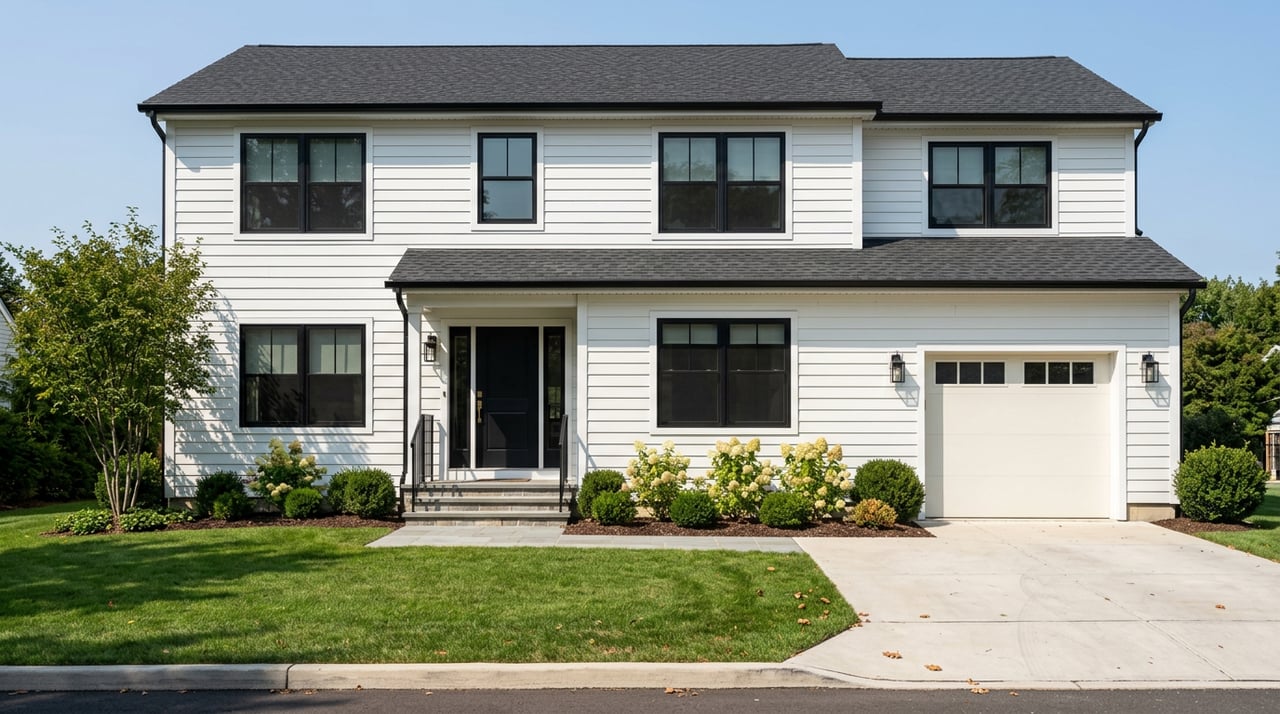
Suffolk is large. Breaking it into a few broad areas helps you compare commute, price, and lifestyle. Most homes here are single-family. Roughly 75 to 80 percent of housing units are detached houses, many built between 1950 and 1980. That means you will see lots of classic ranches, colonials, and split levels, and fewer entry-level condos. For a quick overview of housing stock, review this county housing profile.
Western and north‑west Suffolk
- Where to look: Huntington, Smithtown, and towns near the Nassau border.
- What you’ll find: Single-family colonials and splits, with some village condos and older downtown homes.
- Price feel: Often at or above the county median in popular villages. Prices vary block to block, so use MLS sold comps for each town.
- Commute: LIRR north‑shore stations, including Huntington, offer direct service to Manhattan. Peak rides to Midtown often land around 45 to 75 minutes depending on train pattern. Always confirm with MTA TrainTime before you decide.
- Lifestyle: Lively downtowns with restaurants and theaters, plus north‑shore parks and harbors.
South Shore and southwest Suffolk
- Where to look: Babylon, Islip, Bay Shore, Sayville.
- What you’ll find: Many post‑war single‑family neighborhoods, some renovated homes, and village centers near stations.
- Price feel: Competitive for first-time buyers compared to certain north‑shore pockets. Proximity to water and LIRR can raise prices.
- Commute: The Babylon Branch offers frequent service and some of the faster south‑shore runs to the city. Check schedules and parking.
- Lifestyle: Access to beaches and marinas, plus walkable downtowns in several villages.
Central Suffolk
- Where to look: Ronkonkoma, Patchogue, parts of Brookhaven.
- What you’ll find: A mix of ranches and colonials plus growing condo and townhouse options near revitalized downtowns.
- Price feel: Ronkonkoma often sets a realistic entry point for many buyers in central Suffolk. Local medians are commonly in the high 500s to low 600s according to the Ronkonkoma market overview. Specific condition and block still matter a lot.
- Commute: Ronkonkoma is a major LIRR hub with frequent service. Expect longer rides to Midtown compared to the west, and plan for park‑and‑ride.
- Lifestyle: Patchogue’s downtown has strong dining and entertainment, and it appeals if you want a village feel.
East End: North Fork and South Fork
- What you’ll find: A wide split between vineyard and harbor towns on the North Fork and the luxury, seasonal market of the Hamptons on the South Fork.
- Price feel: Hamptons medians are far above county levels, typically in the multi‑million range on listing sites. North Fork and Riverhead areas can be more moderate, though still higher than many central Suffolk options.
- Commute: Regular Manhattan commutes from the East End are long or impractical for most buyers. Test your exact route before committing if you plan to commute.
Hidden costs and must‑do checks
First-time buyers often focus on list price and mortgage rates. In Suffolk, a few technical items can change your monthly carry or your timeline. Put these on your short list.
Septic, cesspools, and sewers
Not every home is on a sewer line. Many Suffolk properties use onsite wastewater systems. The county has tightened rules to reduce nitrogen pollution and has been phasing in modern systems. Before you make an offer, confirm if the home is on sewer, a conventional septic system, or an older cesspool. County policy changes are summarized in this Suffolk Health Department update.
Action items:
- Ask for installation records, permits, and pumping receipts.
- Budget for inspections and potential upgrades. Innovative/Alternative systems can cost more upfront but may be required for replacements or certain projects.
- Ask about county or state incentives for upgrades. Programs change, so verify current eligibility when you shop.
Flood risk and insurance
South‑shore and bayside areas include FEMA‑mapped flood zones, and coastal exposure varies by block. Flood insurance can be required by your lender and can affect affordability.
Action items:
- Look up the property’s flood zone and elevation before you tour.
- Get quotes from insurance providers early so you can compare apples to apples.
- For planning and context, review regional resilience resources via the Long Island Sound resilience library.
Property taxes and school districts
Long Island property taxes are among the higher bills in the country. School district boundaries, not just town lines, drive a large part of your tax rate.
Action items:
- Request the most recent tax bill for any home you like.
- Confirm the school district name, then use New York State’s School Report Card resources for neutral performance data.
- Use this county-by-county tax comparison to understand how Suffolk fits into the bigger picture.
Commute reality
Your daily door‑to‑door time matters more than miles. LIRR branches vary in travel time and frequency. Schedules also change by season.
Action items:
- Time a full sample commute during your exact window.
- Check real schedules and alerts with MTA TrainTime. You can find current updates via the MTA’s LIRR schedule notice.
- Ask about station parking permits and availability.
Permits, surveys, and close‑out items
Common issues include unpermitted decks or additions, missing septic paperwork, and shoreline setback questions for coastal work. Protect yourself by asking for a recent survey, a full home inspection, and a septic inspection. If documents are missing, discuss contingencies with your attorney before you sign.
Your step‑by‑step search plan
Use this simple framework to start fast and stay focused.
- Define non‑negotiables
- Commute time in minutes door‑to‑door.
- Must‑have features like bedroom count, yard size, or parking.
- Pick 3 to 4 towns that fit those rules.
- Build a true monthly budget
- Mortgage principal and interest.
- Property taxes from the seller’s most recent bill.
- Homeowner’s insurance and, if applicable, flood insurance.
- Maintenance reserves for roof, HVAC, and potential septic upgrades.
- Use the right data for each decision
- Sold-price comps and trend: OneKey MLS market statistics
- Listing inventory and asking-price trends: Realtor.com Suffolk overview and Zillow’s ZHVI
- Commute schedules and alerts: MTA LIRR updates
- Flood and resilience context: Regional resilience resources
- Septic and sewer rules: Suffolk County Health Department update
- Schools: NYSED School Report Cards
- Do fieldwork like a local
- Visit target downtowns on a weekday morning, weeknight, and weekend.
- Walk from the LIRR station to the types of homes you like.
- Check grocery stores, parks, and daily needs nearby.
- Request a property data pack for any contender
- Most recent tax bill and utility averages.
- Septic or sewer records and permits.
- Survey and certificate of occupancy history.
- HOA rules if applicable.
- Get local professionals in your corner
- A local lender for a strong pre‑approval.
- An agent who knows LIRR realities, septic rules, and tax differences by parcel. They can also pull OneKey MLS sold comps for your exact block.
Starter areas to test drive
If you are just mapping options, these examples can help you start productive tours:
- Huntington/South Huntington. Great if you want a north‑shore village lifestyle and can stretch near or above the county median. Try a weekday evening in Huntington Village to feel the energy.
- Bay Shore/Sayville. South‑shore access with strong village cores and Babylon Branch service. Good for buyers who value water access and a shorter train ride.
- Ronkonkoma/Patchogue. Central Suffolk value with larger home options and revitalized downtown life. Expect a longer train ride but frequent service from Ronkonkoma.
- North Fork (Riverhead/Greenport area). If you want a quieter, small‑town setting and do not need a daily Manhattan commute, this is worth exploring. Prices vary widely, so rely on sold comps.
Each of these areas trades off commute time, price, and lifestyle a bit differently. Touring two or three of them back to back will make your next step clear.
How The Legacy Team supports first‑time buyers
You deserve a calm, confident path to your first home. Our team pairs patient education with data you can trust. We help you:
- Set a clear search plan tied to commute, budget, and must‑haves.
- Read the local market with OneKey MLS sold comps and neighborhood context.
- Spot the technical items early, including septic rules, flood exposure, permits, and taxes.
- Coordinate a strong pre‑approval and a local inspection team.
- Negotiate and project‑manage through closing with clear communication at every step.
If you are ready to start, schedule a friendly, no‑pressure consultation with Yadlynd Cherubin. We will map a smart plan together and get you moving.
FAQs
What is a realistic Suffolk budget for first-time buyers in 2026?
- The regional MLS reported a Suffolk single‑family median closed price around $700,000 in January 2026, so plan near that mark and adjust by town, condition, and commute.
How do listing prices differ from sold prices in Suffolk?
- Listing medians on sites like Realtor.com track asking prices, while MLS sold medians reflect actual closed deals; use sold comps to set offers and listing data for inventory context.
How can I check Suffolk flood risk before I tour a home?
- Review regional resilience resources and mapping tools, then contact insurers for quotes; your lender may require flood insurance in certain FEMA zones, which affects monthly costs.
What should I know about septic systems when buying in Suffolk?
- Many homes are not on sewer; county rules have tightened, so verify whether the property uses septic or cesspool, request records, and budget for inspections and possible upgrades.
Which Suffolk areas offer shorter Manhattan commutes?
- Western and north‑west Suffolk and the Babylon Branch often provide shorter rides; always time your exact door‑to‑door trip and check MTA TrainTime for current schedules and parking.