You scroll through Garden City listings and see a parade of Colonials, Tudors, Capes and more. It is charming, but it can also be confusing when you are trying to match a home to your lifestyle. You want character, function and a clear picture of upkeep before you make a move. This guide gives you the essentials: how to spot each classic Garden City style, how it typically lives, what to expect for maintenance and what local approvals you should plan for. Let’s dive in.
Why Garden City looks classic
Garden City began as a planned village in the late 1800s, shaped by merchant Alexander Turney Stewart’s vision of broad streets, mature trees and landmark institutions. The early core still reflects that plan and includes notable 19th‑century buildings and residences with distinctive details and generous proportions. You can explore the village’s history through the local historical society’s overview of the community’s development and architecture on this page.
As the village expanded through the early to mid‑1900s, builders introduced Colonial Revival, Tudor Revival, Cape Cod, Dutch Colonial, foursquare and bungalow homes that define many streets today. Contemporary listings confirm this mix and often highlight updated interiors in classic shells, especially in the Estates sections where larger homes are common in local market snapshots.
Stewart‑era homes (late 19th century)
How to identify
Look for mansard or steep gabled roofs, decorative brick or woodwork, and sometimes ornate ironwork. These are the village’s oldest homes and related institutional buildings.
How it lives
Plans tend to be formal with high ceilings and larger separate rooms. You may find original millwork, separate dining parlors and attic or carriage‑house spaces.
Maintenance to plan for
Expect attention to older masonry, foundations and wood trim. If repointing historic brick, match mortar composition and techniques to avoid damage as recommended by preservation guidance such as the National Park Service’s brief on repointing mortar joints.
Best fit for
You appreciate architectural distinction, larger formal rooms and are comfortable planning sensitive updates that respect historic character.
Colonial Revival
How to identify
Symmetrical facade, centered front door with a classical surround and multi‑pane double‑hung windows. Brick or clapboard exteriors are common.
How it lives
The familiar center‑hall layout places living and dining rooms on either side of the entry with bedrooms upstairs. Many Garden City Colonials now feature opened‑up kitchen and family spaces.
Maintenance to plan for
Brick facades need periodic mortar and drainage checks. Wood trim and clapboard require painting and spot repairs. For masonry, follow best practices for matching mortar and repointing.
Best fit for
You want traditional symmetry, distinct entertaining spaces and a clear separation between living areas and bedrooms.
Tudor Revival
How to identify
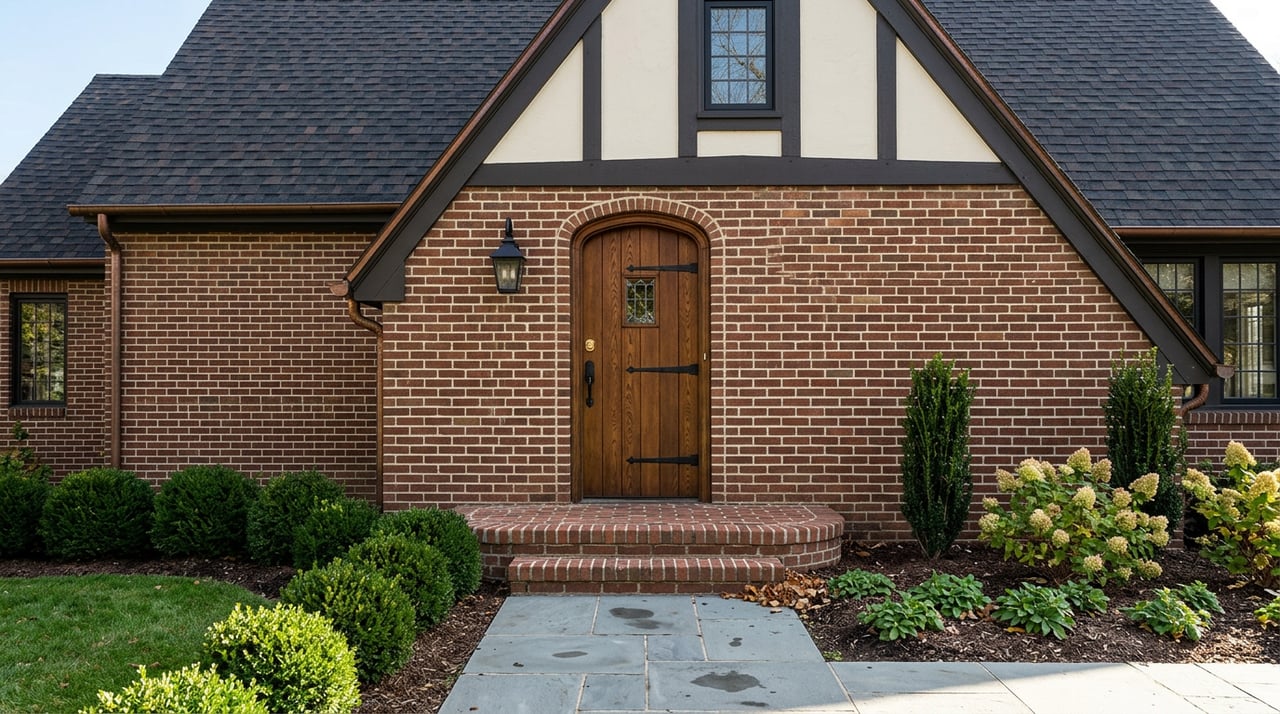
Steep cross‑gabled roofs, decorative half‑timbering with stucco or brick, tall chimneys and grouped narrow windows. Tudor cottages and larger Tudors appear throughout the village. For a deeper primer on common Tudor features, see this concise summary used in historic surveys here.
How it lives
Interiors feel cozy with interconnected rooms, built‑in nooks and prominent fireplaces. Upper floors can include dormers and charming sloped ceilings.
Maintenance to plan for
Stucco and timber joints, complex roof valleys and flashing need close attention. Slate or tile roofs are durable but costly to repair or match.
Best fit for
You love textured exteriors, intimate rooms and period detail, and you are prepared for style‑specific roof and stucco upkeep.
Cape Cod
How to identify
A low, broad 1 to 1½‑story profile with a steep gabled roof and a centered door flanked by multi‑pane windows. Many capes gained dormers over time.
How it lives
Original plans are compact and efficient. In Garden City, many capes now have open kitchens, added baths and enlarged second‑floor rooms through dormers.
Maintenance to plan for
Watch dormer and roof flashing, and maintain shingles or clapboard. Older capes can be very energy efficient once insulation and envelope upgrades are addressed. For a homeowner primer on caring for older homes, see Historic New England’s guide for context.
Best fit for
You prefer a smaller footprint that is easier to maintain and practical to update as needs change.
Dutch Colonial
How to identify
A gambrel roof with a barn‑like double slope and often long shed dormers creates more usable second‑floor space. Facades are often symmetrical.
How it lives
Layouts often mirror Colonial plans but with better upstairs headroom than a typical cape. This can deliver three or more bedrooms without a larger footprint. For a visual reference to the gambrel form, see this National Register resource describing the subtype.
Maintenance to plan for
Pay attention to dormer and roof transitions and siding details. Regular inspections of flashing and trim help prevent moisture issues.
Best fit for
You want classic curb appeal with efficient two‑story living, especially if you need more bedrooms within a modest footprint.
American Foursquare and Craftsman Bungalow
How to identify
Foursquare homes are boxy two‑story houses with wide porches. Bungalows are 1 to 1½ stories with low‑pitched roofs, broad eaves and tapered porch columns.
How it lives
Foursquares offer four generous rooms per floor that are easy to reconfigure. Bungalows emphasize main‑level living with an open feel between living, dining and kitchen areas.
Maintenance to plan for
Porches, columns, eaves and original wood trim need routine care. Before replacing historic wood windows, consider repair and performance upgrades guided by the NPS’s brief on wooden window preservation.
Best fit for
You value efficient layouts, great porches and traditional details that can adapt to modern living.
Estates and newer construction
How to identify
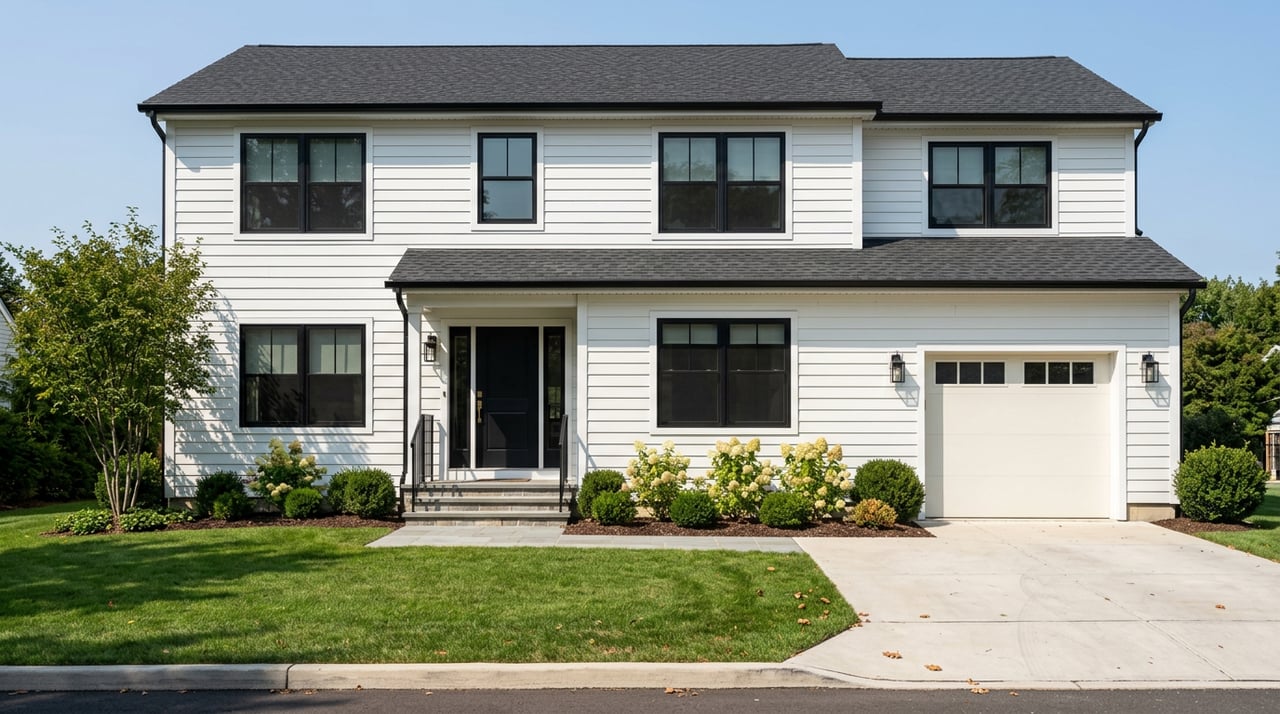
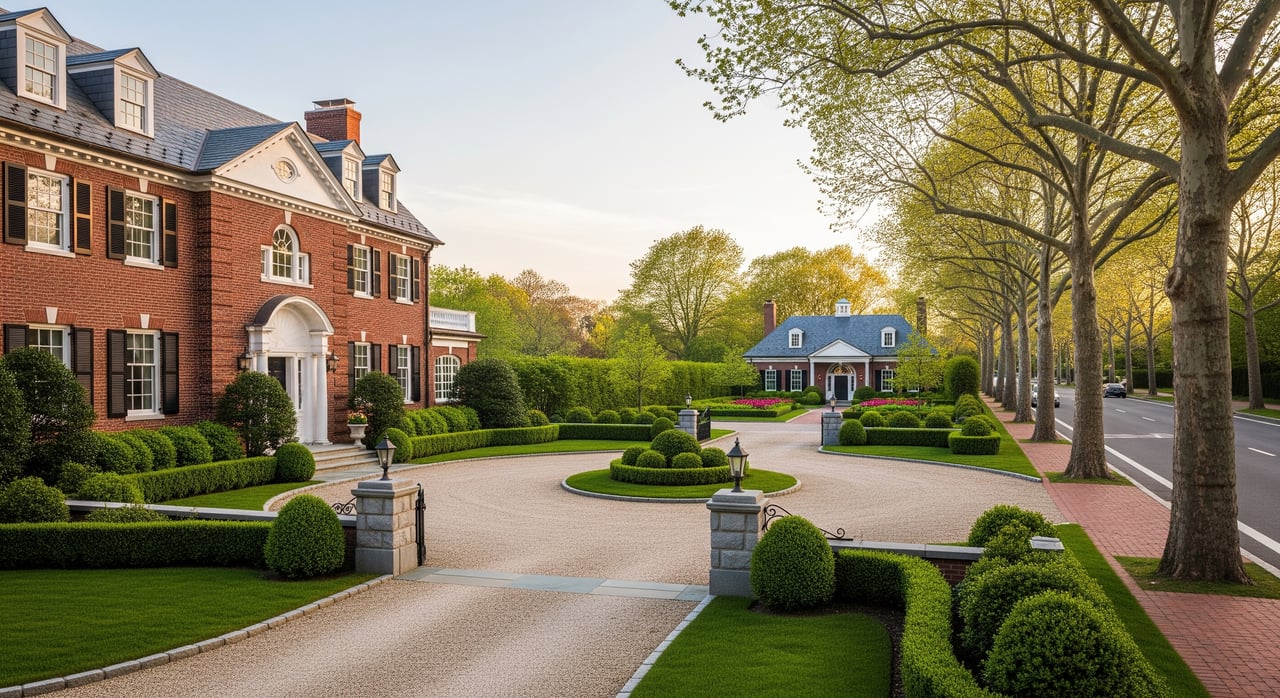
Larger brick Georgians, custom Tudors and newer Neo‑Colonial homes appear in the Estates and The Hill areas. Many have classic exteriors with modernized interiors and systems.
How it lives
Expect larger family rooms, multiple full baths and newer mechanicals. These homes blend traditional curb appeal with contemporary convenience. You will often see this balance highlighted in local listings.
Maintenance to plan for
Upkeep is often more about systems and finishes than foundational changes, though slate or tile roofs on higher‑end homes still require specialized care.
Best fit for
You want substantial square footage, updated amenities and a timeless exterior presence.
What to look for on a showing
- Layout and flow. Count true bedrooms and baths, note where the primary bedroom sits and look for open kitchen‑family spaces if that fits your routine.
- Roofs and envelope. Check roofing age and material, dormer and valley flashing, and brick mortar condition. For historic masonry, use compatible mortar when repointing.
- Mechanical systems and energy. Ask about the age of HVAC, electrical panel capacity and basement condition. Weatherization and window upgrades can improve comfort without losing character.
- Health and safety in older homes. Homes built before 1978 may contain lead‑based paint. Review seller disclosures and follow federal guidance on safe renovations through the EPA’s overview of the RRP Rule for real estate professionals here.
- Lot and drainage. Verify lot size and observe grading and water management, which affect basements and foundations.
Permits and approvals in Garden City
Garden City maintains a local review process for many exterior changes. Before you plan siding replacement, roof material changes, dormers or additions, confirm permit needs with the Village’s Building Department.
Projects that affect the exterior often route to the Architectural Design Review Board. Factor review time into your schedule and keep records of prior permits. If the home is part of a documented historic context, plan a preservation‑minded approach to protect original materials.
Renovation priorities that add value
- Create an open kitchen‑family hub if the plan is compartmentalized.
- Update or add an en‑suite bath for the primary bedroom.
- Finish or refresh the basement where feasible and permitted.
- Upgrade HVAC for comfort and efficiency.
- Improve windows and insulation. Where historic windows survive, the NPS recommends repair and targeted enhancements rather than wholesale replacement. Use the wood windows brief as a reference.
Which style fits you
If you want symmetry and clear formality, start with Colonial Revival. If you love texture and cozy rooms, tour a few Tudors. Need compact living with smart expansion potential? Capes and Dutch Colonials shine. Seeking maximum space and modern amenities with classic curb appeal? Explore the Estates and newer custom homes.
When you are ready to align your wish list with the right Garden City home, connect with a team that knows the architecture, the review process and the market. Reach out to Yadlynd Cherubin to schedule a free consultation and map a confident path to your next address.
FAQs
Which Garden City styles maximize living space on a typical lot?
- American Foursquares, Colonial Revivals and Dutch Colonials deliver efficient two‑story living. For larger families, estates and larger Tudors often provide the most square footage.
What upkeep should I expect with a Tudor home in Garden City?
- Plan for periodic stucco and half‑timber repairs, close attention to roof valleys and flashing, and higher costs if you have slate or tile roofing.
Do I need approvals for exterior renovations in Garden City?
- Yes. Most exterior changes require permits through the Village Building Department and may route to the Architectural Design Review Board. Start early and keep documentation organized.
Are lead paint rules a concern for older Garden City homes?
- Yes. Homes built before 1978 may contain lead‑based paint. Review disclosures and follow EPA guidance on safe renovation practices for pre‑1978 housing.
Where can I find trustworthy preservation guidance for older homes?
- The National Park Service’s Technical Preservation Services offers best practices on masonry, windows and roofing. Work with preservation‑minded contractors who follow these standards.