Buying a two- to four-unit building in Brooklyn can be a smart way to build long-term wealth, but the numbers and the rules here are unique. You want steady rents, manageable expenses, and financing that works, without surprises after closing. In this guide, you’ll learn how to size up small multifamily deals, what to verify before you bid, and which local rules can make or break returns. Let’s dive in.
Why small multis in Brooklyn
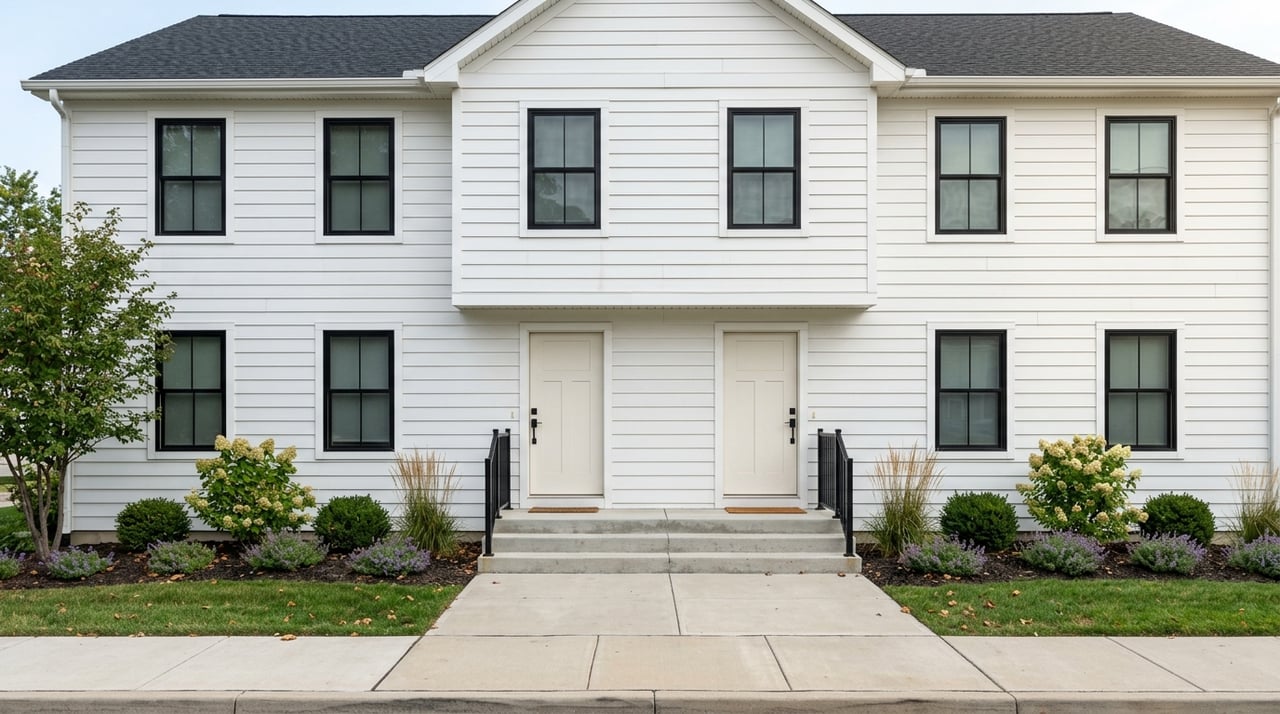
Two- to four-unit buildings in Brooklyn are often classic brownstone or brick walk-ups, small purpose-built four-families, or mixed-use with a ground-floor store. Many were built before the 1970s and have simpler systems, like boiler or steam heat. Neighborhood character influences price and rent patterns, so a two-family in Park Slope will underwrite differently than one in Midwood or Sunset Park.
These buildings appeal because you can live in one unit and rent the others, or operate all units for income. Either way, your return depends on realistic rents, verified legal status, and a clear plan for expenses and reserves.
Market snapshot: 2024–2025
- Investment sales momentum: Brooklyn recorded about 7.15 billion dollars in investment sales in 2024, with multifamily a large share of activity. Cap rates generally pushed higher in 2024 as interest rates and regulatory risk rose. Source: Ariel Property Advisors’ borough report (Jan 2025).
- Rents: Median asking rents stayed elevated through 2024–2025. One-bedrooms in many Brooklyn neighborhoods were commonly in the mid 3,000 to 4,000 dollar range as of June 2025. Always use current neighborhood comps when you underwrite.
Prices, cap rates, and rent levels change quickly. Ask for up-to-date comps and rent rolls before you rely on any number.
Rent regulation basics
New York’s rent regulation is set by the state and administered through Homes and Community Renewal (HCR). In NYC, rent stabilization generally applies to buildings with six or more units built between 1947 and 1974, plus some with special tax benefits. Most two- to four-unit properties are not automatically rent-stabilized, but exceptions and legacy registrations exist. Learn more at NYS HCR.
How to verify unit status
- Request apartment rent histories through HCR to confirm whether any unit is registered as stabilized. Even one regulated unit can change your income assumptions. Start with HCR’s rent resources.
Confirm legal unit count
Before you run numbers, confirm the building’s legal use. A mismatch between the physical layout and the legal Certificate of Occupancy can block financing and kill appraisals.
- Use the NYC Department of Buildings portals to verify the Certificate of Occupancy or obtain a Letter of No Objection for older buildings. Start here: DOB Certificate of Occupancy.
- Review violations, permits, and complaint history for signs of illegal units or major deferred work: DOB Building History.
Taxes and classifications
NYC taxes 1–3 family homes and most small owner-occupied buildings as Tax Class 1. Larger rental properties fall into Class 2, which has different assessment rules. Pull the recent tax bill and assessment history, and review the city’s current rates on the NYC Department of Finance site. A shift in classification or an unexpected reassessment can hit your net income.
Underwrite in five steps
1) Top-line income: PGI to EGI
- Potential Gross Income (PGI) is total annual rent at current or market levels.
- For a first pass, many Brooklyn investors use a 5 to 8 percent allowance for vacancy and collection loss to arrive at Effective Gross Income (EGI). Use the higher end for older stock or softer submarkets.
2) Expenses and reserves
- A common working range for small, older Brooklyn buildings is 30 to 50 percent of EGI. Your exact number depends on what you pay versus what tenants pay, age of systems, and maintenance needs.
- Include a capital reserve. Many local owners budget roughly 1,500 to 4,000 dollars per unit per year based on condition.
- If you outsource management, add 4 to 8 percent of collected rent as a line item.
3) NOI, cap rate, and GRM
- Net Operating Income (NOI) equals EGI minus operating expenses.
- Cap rate equals NOI divided by purchase price.
- Gross Rent Multiplier (GRM) equals purchase price divided by annual gross rent. GRM is a quick filter, while cap rate accounts for expenses. For a plain-language primer, see JP Morgan’s GRM guide.
4) Financing options and tests
- Owner-occupant options for 2–4 units include conventional mortgages that sell to Fannie Mae and Freddie Mac. Down payments and terms vary by lender and occupancy.
- For non-owner or larger loan sizes, small-balance multifamily and portfolio lenders size loans to a Debt Service Coverage Ratio. Expect DSCR targets roughly in the 1.20 to 1.40 range depending on market and risk. See Freddie Mac’s small multifamily context here.
5) Build a simple first-pass model
- Create a 12-month pro forma with current rent roll or market rents, vacancy at 5–8 percent, expenses at 30–50 percent of EGI, and a capital reserve.
- Derive NOI, then cap rate. Add a conservative debt quote to estimate annual debt service and a first look at cash-on-cash return.
- Run sensitivities: move rents up or down by 5–10 percent, vacancy by 3–5 points, and test expense inflation for taxes and insurance.
Due diligence checklist
Verify these items before you sign a contract:
- Legal use and unit count via the Certificate of Occupancy or Letter of No Objection: DOB CO search.
- Rent roll, leases, security deposit records, and whether any units are rent-stabilized through HCR: HCR rent resources.
- DOB and HPD violations, 311 complaint history, and open permits: DOB Building History.
- Property tax class, recent bills, and assessment trends: NYC DOF tax rates and resources.
- NYC Real Property Transfer Tax and New York State transfer tax expectations, and who pays what per the contract: NYC RPTT and NYS transfer tax guidance.
- Insurance quotes and landlord liability needs.
- Appraisal risks and lender-required repairs that could stall closing.
Common red flags
- Illegal unit count: physical units do not match the Certificate of Occupancy. This can block financing or force costly changes. Confirm at the DOB CO page.
- Unverified rent-regulated status: undisclosed or legacy registrations can reduce income. Check through HCR.
- Heavy violation history or major deferred capital items like roof, boiler, or facade that require near-term spend.
- Tax classification shifts or large reassessments that push expenses higher than modeled.
Closing costs and transfer taxes
Plan for city and state transfer taxes on Brooklyn deals. Rates vary by price and use type, but here are common residential ranges in NYC:
- NYC Real Property Transfer Tax: often 1 percent for residential transfers at 500,000 dollars or below, and 1.425 percent above 500,000 dollars. Get the specifics at the NYC RPTT page.
- New York State transfer tax: generally 0.4 percent, with surtaxes above certain thresholds, plus a separate mansion tax for residential purchases at 1 million dollars or more. See NYS transfer tax guidance.
Confirm with your attorney and title company which party pays which transfer taxes and how they apply to your transaction.
Example numbers: two-family walkthrough
Here is a simple illustration. Always use current comps and actuals for a live deal.
- Setup: Two free-market units. Each rents for 3,500 dollars per month. Annual gross rent equals 84,000 dollars.
- Vacancy and collection: 6 percent of PGI equals 5,040 dollars. EGI equals 78,960 dollars.
- Operating expenses: Assume 40 percent of EGI equals 31,584 dollars, including reserves.
- NOI: 78,960 minus 31,584 equals 47,376 dollars.
- Cap rate: If purchase price is 1,200,000 dollars, cap rate equals 47,376 divided by 1,200,000, or about 3.95 percent.
- Loan test: If your annual debt service is 40,000 dollars, the DSCR is NOI divided by debt service, about 1.18. Many lenders look for 1.20 or higher in this segment, so you might increase down payment, negotiate a better price, or improve income to clear the hurdle.
These are screening numbers. Sharpen with a real rent roll, utility breakdowns, recent tax bills, and quotes for insurance and maintenance.
How we help small investors
You deserve a clear path from first tour to first rent check. Our team brings local underwriting know-how, a tight due diligence process, and a network of lenders, attorneys, and inspectors who understand Brooklyn’s 2–4 unit stock. We help you:
- Pull the right records early: HCR rent histories, DOB documents, and recent tax bills.
- Build conservative first-pass models that price risk correctly.
- Negotiate terms that reflect real income, legal status, and near-term capital needs.
Ready to explore a two- to four-family in Brooklyn or nearby Queens and Nassau County? Schedule a free consultation with Yadlynd Cherubin to map out your next move.
FAQs
What counts as a small multifamily in Brooklyn?
- In this context, small multifamily usually means two- to four-unit properties, including brownstone walk-ups, small purpose-built four-families, and some mixed-use with a single retail space.
How do I check if a unit is rent-stabilized?
- Request rent histories through NYS Homes and Community Renewal and review building-level registration resources at HCR. Unit-level status can materially change income.
Where do I confirm legal unit count and building history?
- Search the Certificate of Occupancy and related records through the NYC Department of Buildings: CO lookup and building history.
What closing taxes should I budget for in NYC and NYS?
- Expect NYC’s Real Property Transfer Tax and New York State transfer tax. Start with NYC RPTT and NYS guidance, then confirm with your attorney.
What DSCR do lenders look for on small buildings?
- Many small-balance multifamily programs size loans to DSCRs roughly in the 1.20 to 1.40 range, depending on market and risk; see Freddie Mac context and confirm with your lender.
How do I estimate expenses on an older two- to four-family?
- As a first pass, many investors use 30–50 percent of EGI for operating expenses plus 1,500–4,000 dollars per unit per year for reserves, then refine with actual bills and contractor quotes.
How should I use GRM and cap rate when screening?
- Use GRM to filter quickly by price-to-rent, then compare cap rates after modeling expenses to understand yield. For definitions, see JP Morgan’s GRM primer.